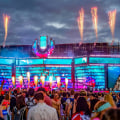
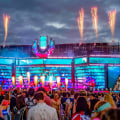
Music festivals are temporary cities that appear almost overnight, bringing together massive crowds, elaborate stage productions, food vendors, and lighting systems that consume enormous amounts of electricity. Traditionally, these events have relied heavily on diesel generators and local power grids to meet demand. However, as festivals grow in size and technical complexity, grid overload has become a serious concern. Solar power has emerged as a practical solution, helping festivals meet energy needs while reducing strain on local infrastructure and minimizing the risk of outages that could disrupt performances.
The Energy Demands Behind the Scenes
A modern music festival requires far more power than most attendees realize. Sound systems, LED walls, stage lighting, refrigeration for food and beverages, mobile charging stations, security operations, and medical tents all draw electricity continuously. When thousands of devices run simultaneously, the demand can overwhelm nearby grids that were never designed for such short-term spikes. Solar installations, whether ground-mounted arrays or mobile solar trailers, provide supplemental power that absorbs part of this load, easing pressure on the grid during peak usage hours.
Reducing Dependency on Diesel Generators
Diesel generators have long been the backbone of festival power, but they come with drawbacks: noise, fuel logistics, emissions, and mechanical failure risks. Solar power reduces reliance on these generators by supplying clean, consistent energy throughout the day. When paired with battery storage, solar systems can deliver power even after sunset, supporting evening performances without additional fuel consumption. This hybrid approach improves reliability, as solar-battery systems are less prone to sudden breakdowns than single-source generators.
Preventing Power Fluctuations and Outages
Grid overload does not always result in total blackouts; it often shows up as voltage drops, flickering lights, or equipment malfunctions. These fluctuations can damage sensitive audio and visual equipment, interrupt performances, and create safety risks. Solar power systems stabilize energy supply by providing localized generation close to where power is used. This decentralization reduces transmission stress and helps maintain consistent voltage levels across festival operations, protecting both equipment and audience experience.
Flexibility for Temporary Infrastructure
One of solar power’s biggest advantages for festivals is flexibility. Portable solar arrays and modular battery systems can be deployed quickly and scaled based on event size. This makes solar ideal for temporary venues such as parks, deserts, or rural fields where grid access is limited. Event organizers often collaborate with energy providers, including a solar company in Miami, FL, to design systems tailored to specific site conditions, weather patterns, and duration. These customized setups ensure energy availability without permanent infrastructure changes.
Supporting Sustainability Goals and Community Relations
Beyond technical benefits, solar power helps festivals meet sustainability commitments that are increasingly important to artists, sponsors, and audiences. Reducing grid strain also benefits surrounding communities, which may otherwise experience brownouts or service interruptions during large events. By generating a portion of their own power, festivals demonstrate environmental responsibility while being good neighbors. This can ease permitting processes and improve relationships with local authorities and utility providers.
Enhancing Resilience During Peak Moments
Music festivals are defined by peak moments—headline performances, synchronized light shows, and crowd surges—that coincide with maximum power demand. Solar energy, especially when integrated with smart energy management systems, helps handle these peaks smoothly. Batteries discharge during high-demand intervals and recharge when demand drops or sunlight is abundant. This load balancing prevents sudden spikes that could overwhelm the grid or force emergency shutdowns.
A Smarter Energy Model for Live Events
As festivals continue to grow, energy planning has become as critical as artist booking and stage design. Solar power offers a smarter model that prioritizes resilience, flexibility, and sustainability. By supplementing or partially replacing grid power, solar systems help festivals avoid overloads that could derail entire events. The result is a more reliable experience for performers and fans alike—where the music stays loud, the lights stay on, and the local grid remains stable despite the temporary surge in demand.